

Short Sleeve vs. Long Sleeve BJJ Rash Guards: Which Is Better?
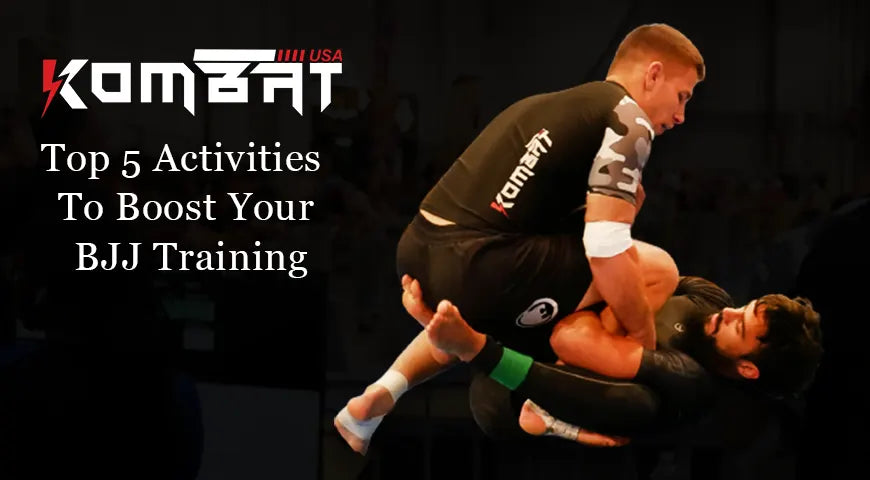
Whether you're training Brazilian Jiu-Jitsu, no-gi grappling, MMA, or wrestling, the right rash guard can make a difference in your comfort and mobility.
One of the most common questions athletes ask is whether they should choose a short sleeve or long sleeve rash guard.
At KOMBAT USA, we offer performance rash guards in different sleeve styles, sizes, and designs to suit a variety of training preferences.
1. Why Wear a BJJ Rash Guard?
A properly fitted rash guard provides a comfortable, close-fitting athletic layer during training.
It can help:
-
Reduce direct skin-to-mat friction.
-
Keep excess fabric close to the body.
-
Manage sweat through moisture-wicking fabrics.
-
Allow flexibility during grappling movements.
-
Provide an additional layer beneath a BJJ gi.
A rash guard does not replace proper hygiene, regular cleaning of training gear, or other precautions against skin infections.
2. Benefits of Short Sleeve Rash Guards
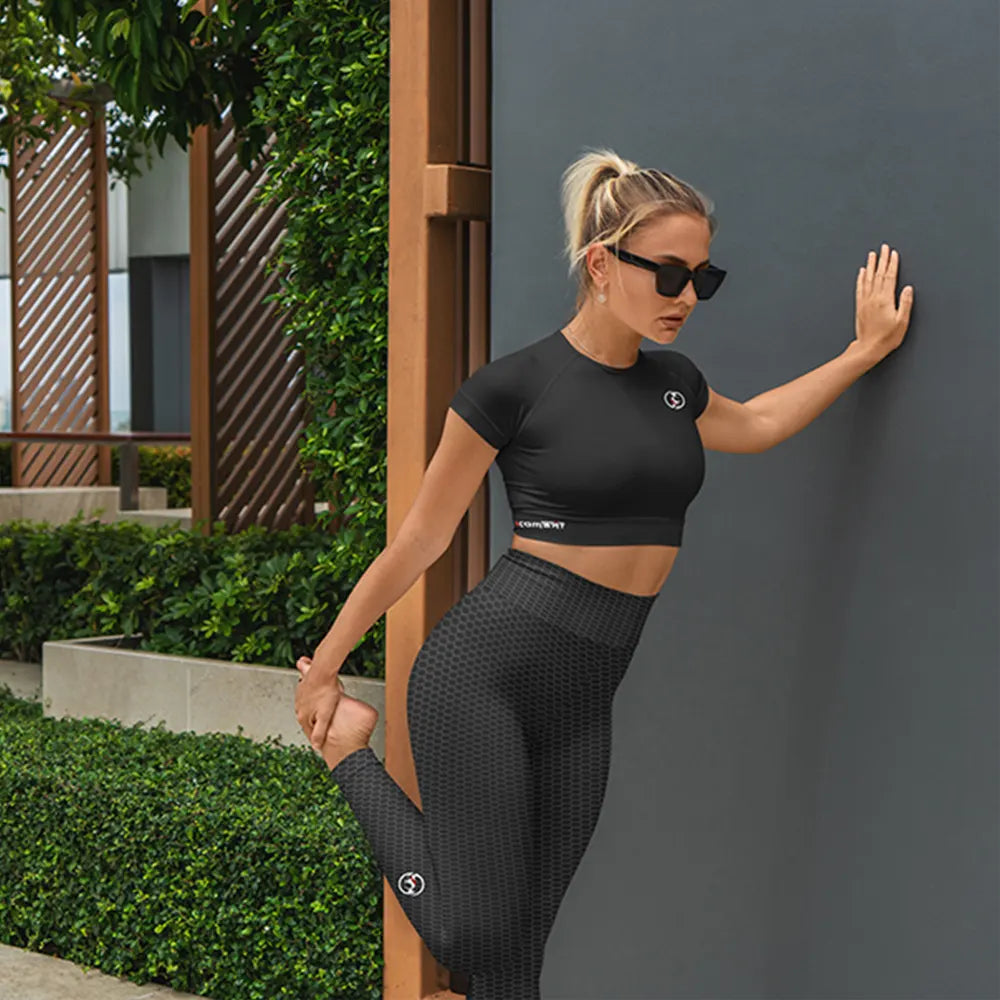
Short sleeve rash guards leave the forearms uncovered while maintaining a streamlined athletic fit.
Why athletes choose them:
-
Less material around the arms.
-
Comfortable for athletes who prefer open forearms.
-
Suitable for warm training environments.
-
Easy to wear for grappling and general conditioning.
If you prefer a minimal feeling during training, short sleeves can be an excellent option.
3. Benefits of Long Sleeve Rash Guards
Long sleeve rash guards provide additional coverage from the shoulders to the wrists.
Why athletes choose them:
-
Extra arm coverage during mat work.
-
Less direct arm-to-mat contact.
-
Comfortable as a base layer under a gi.
-
Useful for athletes who prefer full-length sleeves.
For example, the KOMBAT Nightwing Pro Full Sleeve Rash Guard offers a compression-style athletic fit with stretch construction and extended arm coverage.
4. How Tight Should a Rash Guard Fit?
Your rash guard should sit close to the body without restricting breathing or movement.
Check that you can comfortably:
-
Raise your arms above your head.
-
Rotate your shoulders.
-
Bend your elbows.
-
Twist your upper body.
-
Perform basic grappling movements.
If the fabric pulls excessively or restricts motion, consider a different size.
5. Which Fabric Features Matter?
When comparing rash guards, consider:
Four-way stretch: Allows the fabric to move in several directions.
Moisture-wicking construction: Helps transfer perspiration away from the skin.
Flat or smooth seams: Can improve comfort during repeated movement.
Durable graphics: Sublimated designs are often preferred for frequent training because the artwork is incorporated into the fabric.
Proper fit: Helps prevent loose fabric from shifting excessively during rolling.
6. How to Care for a Rash Guard
After every training session:
-
Remove your sweaty rash guard from your gym bag.
-
Wash according to its care label.
-
Use cold water and mild detergent when recommended.
-
Avoid bleach and unnecessary high heat.
-
Air-dry completely before storing.
7. Which Style Should You Choose?
Choose short sleeves if you prefer less material and more exposed forearm area.
Choose long sleeves if you prefer extra coverage during grappling and mat work.
Neither style is universally better. Fit, comfort, training environment, and competition requirements should guide your decision.
Discover KOMBAT USA Rash Guards
Explore the KOMBAT USA Nightwing, Performance, and Ranked Rash Guard collections for your next training session.
Find options for men, women, and younger athletes at KombatUSA.com.
KOMBAT USA — MOVE FREELY. TRAIN CONFIDENTLY.